 Tyne Seedling
You will learn how to schedule mid-August sowings into empty containers as the harsh summer sun relents. Quick-maturing daikon radishes and hardy pak choi flourish in cooling weather, yielding crisp leaves until hard frosts.
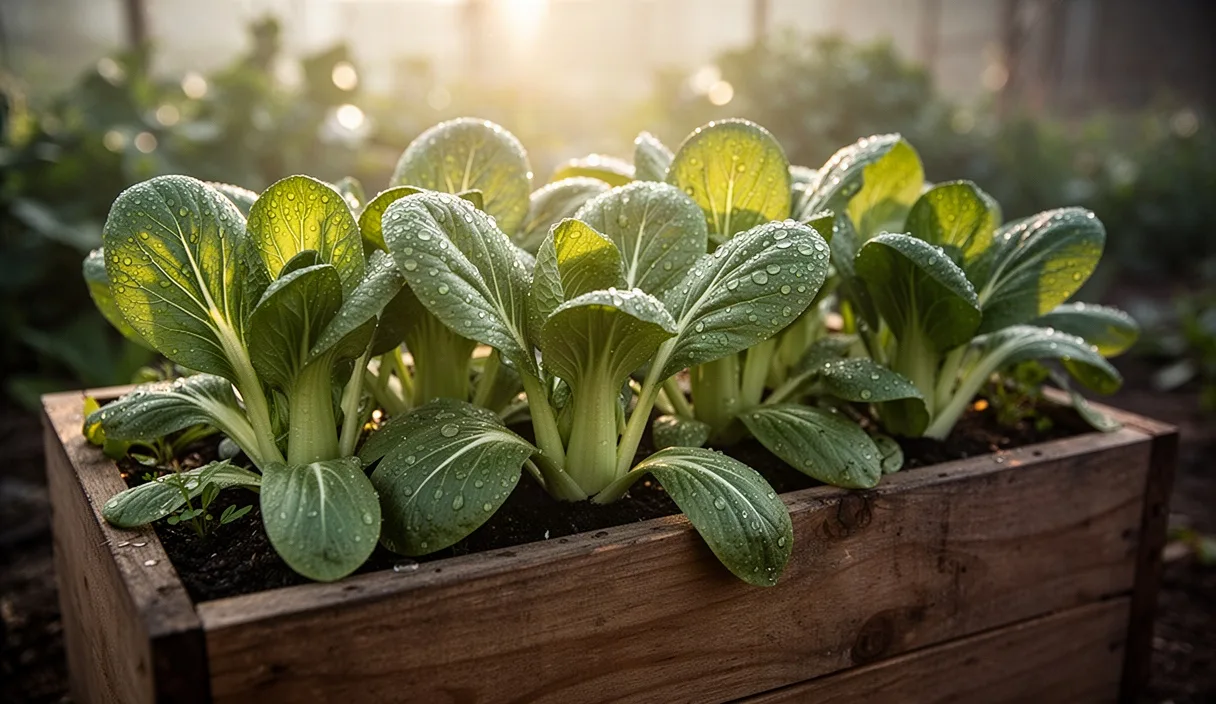
- Sow winter brassica seeds as soon as daytime high temperatures begin to drop below summer peaks.
- Thin young seedlings early to give root collars room to thicken into dense, crunchy globes.
- Cover containers with lightweight insect mesh to bar autumn caterpillars from soft outer foliage.
When the dry heat of August begins to break, the balcony garden shifts its rhythm. The sprawling tomato vines start to look tired at the base, their foliage growing papery and spotted, while our terracotta and cedar planters hold residual warmth from long afternoons. This transition marks our favorite planting window of the year. Instead of fighting the high sun and rapid evaporation of June, we work with cooling ambient air, dewy dawns, and rich, crumbly potting soil to establish tender Asian brassicas and dense winter storage radishes.
Growing these crops in pots and troughs requires a maker's attention to soil texture and depth. Unlike spring greens that race into flower as the days lengthen, autumn crops settle into shortening days and moderating temperatures. They produce thicker, sweeter leaves and dense roots packed with natural sugars that act as an internal antifreeze. We treat our balcony boxes not as passive vessels, but as compact workshops where we rebuild the potting mix, gauge moisture by touch, and calibrate sowing depths down to the quarter-inch.
The Science of Autumn Soil Temperatures and Seed Vigor
Late summer soil holds onto summer thermal mass far longer than the surrounding air. When we press a compost thermometer three inches down into a wooden planter in late August or early September, the reading often sits between 68 and 75 degrees Fahrenheit, even if the night air has dipped into the mid-fifties. This dynamic creates an ideal environment for brassica and radish seeds, which germinate rapidly in warm soil but develop their best flavor and leaf structure in cool, crisp air.
High soil temperatures above 85 degrees can induce thermal dormancy in some specialty seeds, particularly certain varieties of spinach and delicate turnip cultivars. However, winter radishes and Asian greens thrive when started while the soil is around 70 degrees. Under these conditions, a daikon or tatsoi seed absorbs water within hours. The radical emerges quickly, anchoring into the mix before damping-off fungi can take hold in damp autumn potting media.
As the season advances into October, the thermal balance flips. Ambient sunlight drops, day length shrinks below eleven hours, and root activity slows. Seeds started too late face soil temperatures below 48 degrees, where germination can drag out for two weeks or stall completely. Sowing during the sweet spot of declining late-summer heat gives the seedling a robust root system capable of drawing moisture and dissolved nutrients even when morning frosts begin to glaze the balcony railing.
Top Brassica and Daikon Varieties for Cool Days
We choose varieties bred for cool-weather stamina, compact architecture, and rapid leaf accumulation. Standard spring radishes turn woody and spicy in erratic weather, but true winter radishes and specialized cold-season Asian greens develop a sweet, crisp bite under falling temperatures.
| Variety | Crop Type | Days to Harvest | Minimum Container Depth | Frost Tolerance |
|---|---|---|---|---|
| Miyashige White | Daikon Radish | 50-60 days | 14 inches | Moderate (down to 28°F) |
| Red Meat (Watermelon) | Winter Radish | 55-65 days | 10 inches | High (down to 24°F) |
| Tatsoi (Spoon Mustard) | Rosette Green | 40-45 days | 6 inches | Exceptional (down to 20°F) |
| Komatsuna | Mustard Spinach | 35-40 days | 8 inches | High (down to 25°F) |
| Tokyo Bekana | Loose-leaf Chinese Cabbage | 30-35 days | 6 inches | Moderate (down to 28°F) |
Miyashige White is our benchmark daikon for deep containers. It forms a clean, cylindrical root that pushes two to three inches out of the earth as it swells, showing off pale green shoulders. Sliced thin on a wooden mandoline, its flesh is tender, juicy, and devoid of the harsh pungency common in spring-harvested radishes. For shallower troughs, Watermelon radishes (also known as Shinrimei) produce round, baseball-sized globes with dull green skin hiding a striking magenta interior that intensifies in color as night temperatures drop.
Among leafy crops, Tatsoi is unmatched for balcony boxes exposed to wind. It hugs the potting medium in a tight, dark green rosette of spoon-shaped leaves that resist heavy frost. Komatsuna offers rapid regrowth; we snip outer leaves for broths and stir-fries, leaving the central growing point to generate fresh foliage through November. Tokyo Bekana fills the salad bowl with ruffled, chartreuse leaves that mimic tender lettuce but possess the cold resilience of a hardy turnip.
Reconditioning Summer Container Soil with Fresh Sifted Compost
After clearing out exhausted bush beans or fruiting crops, we never discard our container soil. Instead, we recondition it directly on the balcony workbench. Summer growth strips soluble nitrogen, potassium, and active biology from potting mixes, while repeated watering compacts the peat or coco coir fibers. We need to restore porosity, drainage, and biological life without creating a loose, unstable mix that dries out unevenly in autumn winds.
We begin by tipping the top six inches of spent soil into a broad mixing tub. We break up root balls by hand, rubbing the root mass between our palms to shake free the clinging soil crumbs, and discard the tough, woody crowns. Next, we pass our homemade or bulk-sourced compost through a quarter-inch wire mesh screen. Sifting removes coarse twigs, wood chips, and uncomposted clods, leaving behind a fine, dark meal that blends evenly with the old potting base.
- Empty the top half of the container soil into a flat mixing trough or wheelbarrow.
- Pick out coarse root fragments, dead stems, and any stray pests like vine weevil grubs.
- Add one part freshly sifted worm castings or mature leaf mold compost to three parts old potting mix.
- Incorporate two tablespoons of kelp meal and two tablespoons of steamed bone meal per five gallons of soil mix to provide slow-release minerals through autumn.
- Moisten the blend with a fine rose on the watering can, tossing it with a hand trowel until it forms a loose ball that holds its shape when squeezed but crumbles under light thumb pressure.
- Refill the container, tapping the exterior walls with your knuckles to settle the material without stamping or packing it down.
Furrow Spacing and Shallow Sowing Depths
Seeds of brassicas and radishes are round, hard spheres that need intimate contact with damp particles to hydrate their seed coats. Because fall days grow progressively cooler, a seed buried too deeply will exhaust its stored starches before the cotyledons can push through to the light. We keep our sowings shallow, uniform, and cleanly organized in linear furrows or grid patterns tailored to container geometry.
To draw our furrows, we use a simple wooden lathe or the edge of a clean cedar garden label. Press the straight edge a quarter-inch deep into the smoothed, leveled surface of the soil. For Asian greens like tatsoi and komatsuna grown for baby leaves, we keep rows four inches apart. If we intend to grow full, broad heads of Chinese cabbage or wide tatsoi rosettes, we space our furrows six to eight inches apart, or plant on an alternating hexagonal grid across the pot surface.
Daikon and winter radishes require slightly deeper placement to prevent the seed from shifting during top-watering. We press these seeds into the furrow floor at a depth of half an inch, spacing them roughly two inches apart initially. Once the seed is set, we pinch the furrow walls together with thumb and forefinger, then tamp the surface flat using the palm of our hand. This firming step closes air pockets around the seed coat, establishing capillary draw so soil moisture moves steadily upward toward the germinating embryo.
Thinning Timelines for Baby Greens and Full Heads
Thinning is not wasted effort; it is our primary harvest method throughout late September and October. We sow thicker than the final spacing requires to compensate for any early bird damage or erratic germination, then cull systematically with precision shears.
Never yank seedlings upward by the stem when thinning dense container plantings. Pulling disturbs the delicate root hairs of the companion seedling growing a half-inch away. Instead, we use narrow, sharp harvest snips to clip unwanted seedlings right at the soil line. These succulent micro-cuttings go straight into our harvest basket as a peppery kitchen garnish.
- Day 7 to 10: First cull. When the cotyledons have flattened and the first true leaf appears, snip down any clusters so seedlings stand one inch apart.
- Day 18 to 22: Baby leaf harvest. Cut every other plant among your Asian greens once they reach three to four inches tall. The removed plants yield tender, whole baby greens for salads, leaving remaining plants spaced two to three inches apart.
- Day 30 to 35: Final spacing for heads and roots. Thin tatsoi and komatsuna to six inches apart for mature rosettes. Thin daikon radishes to four inches apart, and round winter radishes to five inches apart, allowing the roots room to expand without competing for diameter.
Keep a close eye on the soil moisture during thinning days. Trimming leaves reduces the canopy transpiration rate briefly, but the remaining plants will rapidly spread their roots to claim the opened root zones. A light watering with plain, settled water immediately after thinning settles any disturbed surface particles around the keepers.
Protecting Crisp Fall Greens from Early Frost Snaps
Autumn weather on an open balcony is erratic. A sudden clear, still night in mid-autumn can drop radiant heat into the upper atmosphere, causing frost to settle on exposed leaves even when the street-level temperature remains slightly above freezing. While winter radishes and Asian greens handle light frosts without tissue damage, repeated freezing and thawing cycles can turn outer foliage translucent, watery, and prone to rot.
We rely on simple mechanical barriers rather than artificial heat. A length of lightweight agricultural fleece (around 0.55 ounces per square yard) draped loosely over our planters creates a calm microclimate that retains ground heat. The fleece should not press hard against the foliage; wet leaves touching frozen fabric will suffer burn. We bend short lengths of flexible nine-gauge wire or coppiced willow wands into hoops, inserting the ends into the container corners to create low, protective tunnels.
Secure the fabric tightly to the pot rim using wooden clothespins, heavy-duty binder clips, or elastic cord. Loose fabric buffeted by October gusts can whip delicate young leaves to shreds. On sunny days when the balcony warms into the sixties, we fold back the southern edge of the row cover to allow fresh air circulation and vent excess humidity, closing it down securely an hour before dusk to trap the daytime warmth.
Common Mistakes to Avoid
The most frequent error we encounter is using high-nitrogen liquid feeds late in the season. Feeding brassicas heavy doses of synthetic nitrogen in October forces lush, succulent cellular growth that contains excess water and thin cell walls. These bloated leaves burst at the first hard freeze and invite gray mold (Botrytis cinerea). Stick to the compost and kelp meal incorporated at planting time; cool-season crops prefer a steady, low-level mineral supply over rapid chemical surges.
Another pitfall is inconsistent watering. Because the air feels cool, gardeners often forget that container soil dries quickly under dry autumn winds. If a daikon root experiences moisture swings, shifting from parched soil to heavy saturation, the core expands faster than the skin can stretch, resulting in longitudinal splits. Keep the potting substrate evenly moist, like a wrung-out sponge, testing it daily with your finger an inch beneath the surface.
Finally, avoid waiting too long to start your winter radishes. While they endure frost, they must construct the bulk of their root structure while sunlight hours and soil temperatures are still moderate. Sowing daikon in mid-October in northern zones results in fine green tops with roots no thicker than a pencil.
Practical Next Steps for the Autumn Balcony
Take an inventory of your current containers this week. Identify which summer crops have finished their productive cycle and can be cleared to make room for your autumn sowings. Gather your hand sieve, a bag of clean compost, and your seed packets so you are prepared to work as soon as the late-summer heat relents.
Check the seed maturity dates against your local frost calendar. Count backward six to eight weeks from your area's average first hard freeze date (typically when temperatures drop below 28 degrees Fahrenheit) to find your ideal planting cut-off for daikon and winter radishes. Asian greens can be sown two to three weeks later than roots, as their leaves develop rapidly and tolerate cold nights gracefully.
Clean your tools, prepare your row cover hoops from spare wire or garden canes, and soak your terracotta pots thoroughly if they have dried out completely in the August sun. Autumn gardening rewardingly replaces the frantic watering chores of summer with steady, quiet observation and remarkably sweet, crisp plates of greens harvested straight from the balcony rail.
Our field notes serve general horticultural education; consult your local agricultural extension service for regional biosecurity rules and persistent plant pathology. Disclaimer

Complementary Reading
-
 Container & Balcony Crops 9 min read
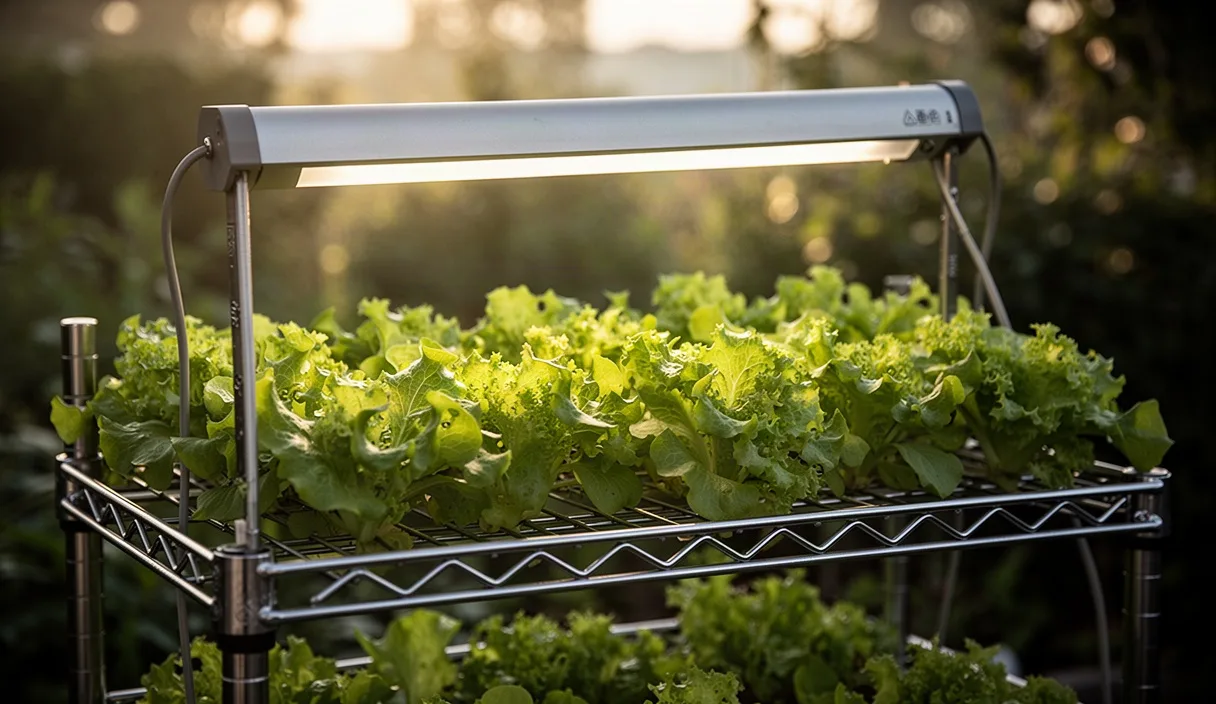
Setting Up Balcony Grow Lights for Stout Winter Greens
You will master lighting clearance distances, daily photoperiod timing, and cool-air ventilation on indoor growing racks. Your winter salads and brassica leaves will stay dense and low rather than stretching into pale threads.
-
 Container & Balcony Crops 9 min read
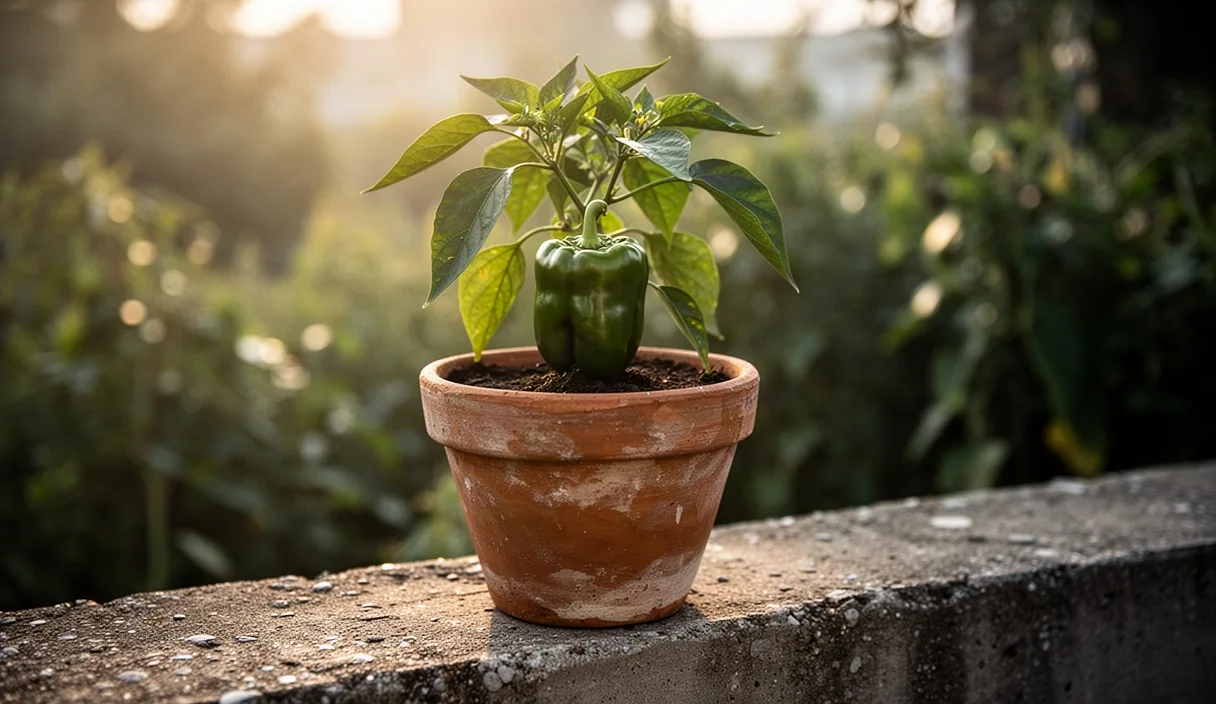
Diagnosing Leaf Curl and Yellowing on Balcony Peppers
You will learn to distinguish between overwatering, wind dehydration, and calcium lockout in small container soil. Pinpointing the root issue keeps your potted sweet and hot peppers setting crisp, full pods.